Wagashi Box vs Japanese Snack Box: What’s the difference? (2026)
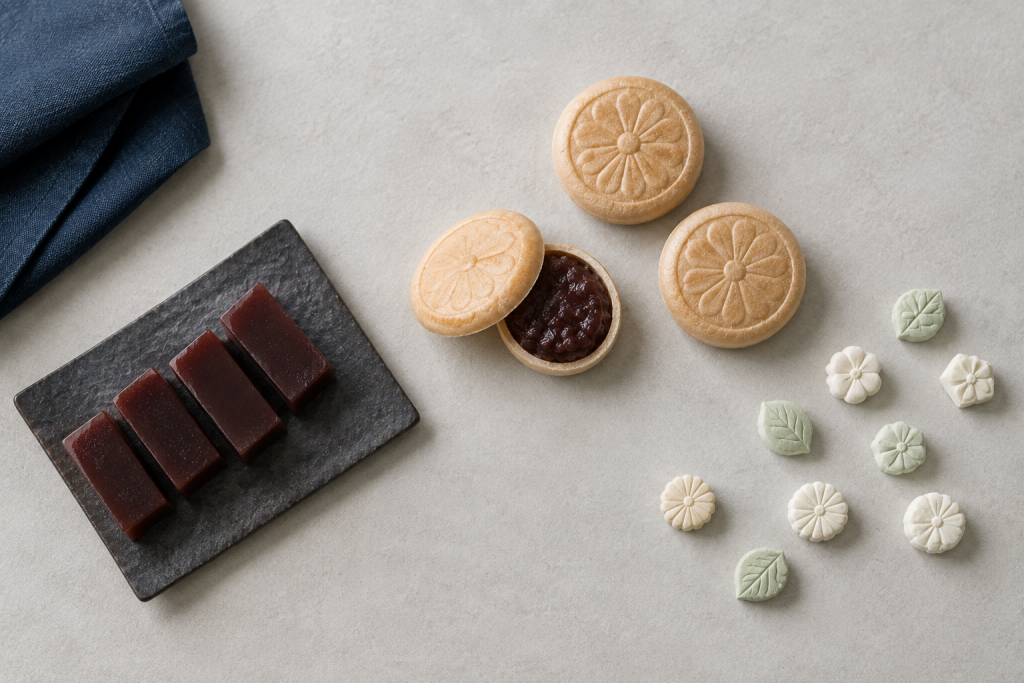
A Japanese snack box and a wagashi box are different products sold to the same person. A Japanese snack box is an assortment of packaged Japanese confectionery, mostly factory-made for retail sale and chosen for variety and long shelf life. A wagashi box is traditional Japanese confectionery, usually short-dated, usually made by confectioners rather than manufacturers. Both are legitimate. They are not interchangeable, and the difference comes down to one thing: water. Wagashi box vs Japanese snack box: Quick comparison Japanese snack box Wagashi box Typical contents Packaged sweets, crackers, candy, tea; sometimes homewares Traditional confectionery: monaka, yokan, higashi, manju Made by Manufacturers, mostly for the Japanese retail market Confectioners, often in small batches Shelf life on arrival Weeks to months Days to around two weeks Number of items 15 to 25 Fewer, typically under 12 What it is for Trying many things; a parcel that keeps Eating properly, usually with tea Price $32.50 to $37.50 a box plus $5.00 to $14.99 shipping (Sakuraco, September 2026) Wagashi Bunka Classic, US$118, shipping from Japan included What is wagashi? Wagashi (和菓子) is traditional Japanese confectionery, as distinct from yogashi (洋菓子), the Western-derived category of cakes, biscuits and chocolate. The word wagashi describes a tradition, not a quality tier. A mass-produced dorayaki from a convenience store is wagashi. So is a nerikiri shaped by hand into a chrysanthemum for a tea ceremony. This is why “authentic wagashi” claims are almost impossible to evaluate from a product page. Almost anything sweet and Japanese can carry the word honestly. The useful question is not whether something counts as wagashi. The useful question is which part of the tradition you are being sold. Types of wagashi: namagashi, han-namagashi and higashi Japanese confectioners sort wagashi into three categories by water content. These categories are the working vocabulary of the trade, and they predict shelf life, texture, and whether a sweet can leave the country at all. Category Water content Traditional shelf life Examples Namagashi (生菓子) 30% and above Refrigerate, eat within a day Nerikiri, daifuku, fresh yokan, dorayaki, manju Han-namagashi (半生菓子) 10% to 30% Refrigerate, five to seven days Monaka, castella Higashi (干菓子) 10% and under One to three months Senbei, rakugan, wasanbon Classification and shelf lives per the standard Japanese confectionery categories, as set out in Just One Cookbook, “Varieties of Wagashi” — link out to this, or to a Japanese-language source if you have one. Add the outbound link Namagashi is fresh wagashi at 30 percent water content or above, and it keeps for roughly one day. Namagashi is the wagashi in the photographs: the seasonal flowers, the translucent summer jellies, the pieces served alongside matcha in Kyoto. Namagashi is also, by definition, food that expires roughly tomorrow. Higashi is dry wagashi at 10 percent water content or under, and it keeps for one to three months. Higashi is pressed, sugar-heavy and stable, real wagashi with real history, and it is what survives a container ship. Han-namagashi sits between the two at 10 to 30 percent water content, keeping five to seven days refrigerated. Han-namagashi is where most exportable traditional confectionery lives. One caution, because it matters when reading a product listing: industrial processing moves sweets between these categories. A commercially produced neri-yokan sealed for retail can keep for months, even though yokan sits in the namagashi column by tradition. The classification tells you what kind of sweet it is. The date printed on the package tells you what you are actually receiving. When the two disagree, believe the date. Can you buy fresh wagashi outside Japan? Fresh namagashi cannot be shipped internationally. No international subscription box delivers namagashi made the same week, Wagashi Bunka included, because namagashi made with fresh anko has a shelf life of roughly 24 to 48 hours, it is fragile enough that a firm grip damages it, and international parcels move in days. Wagashi can still be bought abroad, in two forms. Retailers such as Minamoto Kitchoan ship wagashi internationally and run stores overseas, using sealed and shelf-stable preparations that keep for weeks or months. Separately, Japanese confectioners in large cities abroad make namagashi fresh on the premises, which is the only realistic way to eat true fresh wagashi outside Japan. What crosses an ocean by post is the drier end of the tradition, plus short-dated items moving fast enough to arrive with time left on them. That is the honest ceiling for every box sold outside Japan. Sellers differ in how close to that ceiling they choose to work, because the closer you get, the harder the logistics and the smaller the margin for error. A nerikiri made this morning in Kanazawa is a reason to go to Japan. It is not a thing you can order. What is in a Japanese snack box? Japanese snack boxes are monthly assortments of packaged Japanese confectionery, typically 15 to 25 items. The three largest are good at what they do, and it is worth being accurate about what that is. All details below are from each company’s published pages as of September 2026. TokyoTreat leans modern. Limited-edition KitKats, seasonal convenience-store releases, drinks, savoury snacks, and items tied to current Japanese pop culture. TokyoTreat is not attempting to be traditional and does not claim to be. Sakuraco is the box people mean when they ask whether a snack box counts as wagashi, and the answer is more interesting than yes or no. Sakuraco sends around twenty items per box on a monthly theme, and the mix does include traditional forms: mochi, manju, yokan, dorayaki, taiyaki and senbei, alongside tea, castella, madeleines and homewares such as ceramics or furoshiki. Sakuraco’s published pricing in September 2026 runs $37.50 a box on the one-month plan down to $32.50 on the twelve-month plan, plus $5.00 to $14.99 shipping depending on destination. Items arrive individually wrapped with moisture absorbers. Individual wrapping and desiccants are the tell, and this is not a criticism. Wrapping each item and adding desiccants is exactly what you do to move
17 Hydrangea Wagashi Designs for Rainy Season
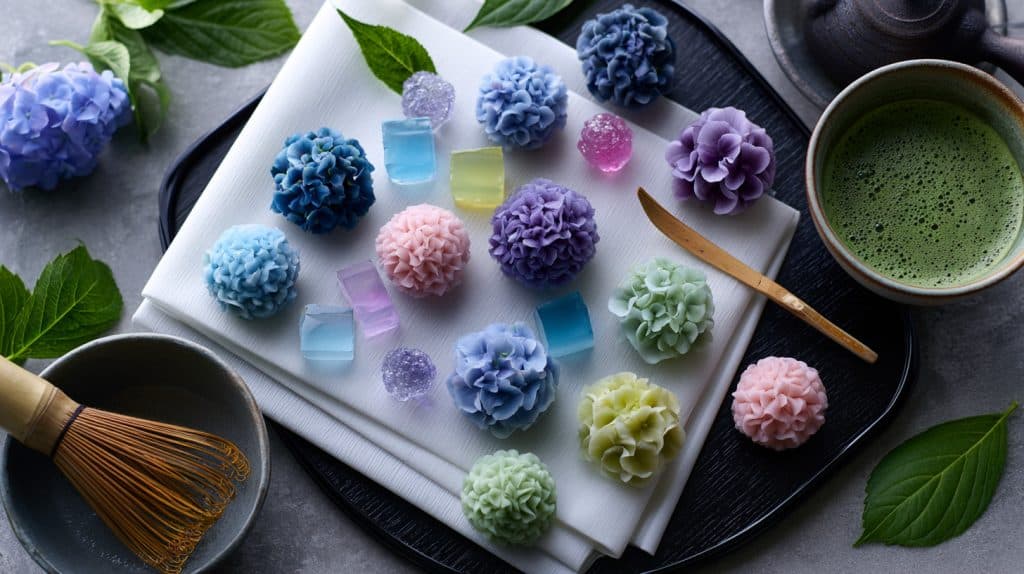
17 Hydrangea Wagashi Designs for Rainy Season Ajisai, the hydrangea, is the flower of Japan’s rainy season, and for centuries confectioners have shaped it into sweets meant to be admired as much as eaten. Here are 17 designs to save, gift, and order fresh while the rains last. The rains have a way of quieting everything. By June, the bright flush of spring is gone, and Japan slips into tsuyu – the rainy season, when grey skies settle in and few flowers dare to bloom. Except one. The hydrangea, or ajisai, comes alive precisely when everything else fades. Its blue and violet clusters deepen with every downpour, turning damp, overcast streets into something quietly beautiful. In Japanese culture the flower carries a fitting meaning: gratitude, sincerity, a heartfelt thank-you. It is no surprise, then, that wagashi makers have spent generations translating this rainy-season flower into sweets. Below are 17 hydrangea wagashi designs — from hand-sculpted nerikiri blooms to translucent jelly that looks like captured rain. Each one can be admired, saved, and ordered fresh while the season lasts. What are hydrangea wagashi? Hydrangea wagashi are traditional Japanese sweets shaped to resemble the ajisai (hydrangea) flower. They are made during the June-to-July rainy season, usually from nerikiri (sweetened white-bean paste), kanten or kingyokukan (translucent agar jelly), or kohakutou (crystallised sugar). Like all wagashi, they are designed to reflect the season and to be as beautiful to look at as they are to eat. 1. Blue Hydrangea Wagashi The most recognisable of them all. A blue hydrangea wagashi is shaped from nerikiri — a smooth, pliable sweet bean paste — into the rounded cluster of a mophead bloom, then tinted the true ajisai blue that deepens in acidic soil. Tiny sculpted petals catch the light like a flower still wet from rain. This is where every collection begins. 2. Nerikiri Hydrangea Bloom Look closely and the craft reveals itself. Each petal of a nerikiri hydrangea is shaped by hand, pressed and folded with a wooden tool called a sankaku-bera. A single bloom can hold dozens of four-petalled flowers layered into a dome. It is edible sculpture — the reason wagashi is considered an art form, not just a dessert. 3. Wedding Favour Hydrangea Wagashi In soft blush and white, the hydrangea becomes a wedding flower. Because ajisai symbolises gratitude, a hydrangea wagashi makes a favour that thanks each guest in the most fitting way — beautiful, meaningful, and unmistakably Japanese. Presented in individual boxes, they double as place settings and keepsakes. 4. Purple Hydrangea Wagashi Purple has always signalled prestige. The deep violet hydrangea — rarer in nature than its blue and pink cousins — translates into a wagashi of quiet luxury, ideal for corporate gifting, milestones, and moments that call for something distinguished. Where blue feels serene, purple feels ceremonial. 5. Kingyokukan Hydrangea Wagashi Here the flower turns to jewels. Kingyokukan is a translucent jelly set with agar and cut into glittering cubes that resemble dewdrops or rain caught mid-fall. Studded over a bloom or served alone, these glassy petals are the design that makes people stop scrolling — light passes straight through them. 6. Minimalist Hydrangea Wagashi Not every hydrangea shouts. A minimalist version pares the flower to its essence: a single pale bloom on a dark stone plate, one curve of colour, nothing more. This is wagashi for the wabi-sabi sensibility — beauty in restraint, in the space around the object as much as the object itself. 7. Thank-You Gift Hydrangea Wagashi If one sweet could say thank you, it would be this. The hydrangea’s cultural meaning — gratitude and sincere feeling — makes it the natural choice for a gift of appreciation. A small box of hydrangea wagashi speaks more gracefully than words, whether for a host, a mentor, or someone owed a quiet kindness. 8. Green Hydrangea Wagashi The unexpected one. Soft green hydrangeas — think Annabelle blooms — have become a favourite in modern floristry, and they translate beautifully into wagashi. Pale matcha and pistachio tones feel fresh, contemporary, and a little surprising against the expected blues and purples. A design for those who already know the classics. 9. Kanten Hydrangea Wagashi Kanten — Japanese agar jelly — is the material of summer. Clear and cooling, it is set around suspended petals so the whole sweet looks like a flower frozen in rainwater. Eating it is meant to feel like relief from the humidity of tsuyu: coolness you can see before you taste. Order this season’s hydrangea collection Every design here is made fresh in small batches and available only while ajisai blooms – June through mid-July. 10. Pastel Ombré Hydrangea Wagashi Real hydrangeas rarely hold a single colour — they drift from blue to lavender to pink across one cluster, shifting with the soil beneath them. The ombré wagashi captures that gradient in a single bloom, blending tones petal by petal. It is among the most saved and shared designs for exactly this reason. 11. Tea Ceremony Hydrangea Wagashi In the tea ceremony, the sweet is chosen to reflect the season — and in June that means ajisai. A hydrangea wagashi served before a bowl of matcha is a centuries-old pairing, the sweetness preparing the palate for the tea’s gentle bitterness. This is the flower in its most traditional setting. 12. Lacecap Hydrangea Wagashi Not all hydrangeas are round. The lacecap variety blooms flat, with tiny budded florets at the centre ringed by larger open flowers. Rendered in wagashi, this delicate, less-expected form signals real botanical knowledge — a design that quietly tells collectors you understand the flower, not just the colour. 13. Mizu Yōkan Hydrangea Wagashi Mizu yōkan is a soft, chilled red-bean jelly, lighter and wetter than its winter counterpart. Topped with a clear kanten layer holding a single suspended hydrangea, it becomes a two-storey sweet: smooth bean below, captured flower above. Served cold, it is a staple of the Japanese summer table. 14. Antique Hydrangea Wagashi As the season turns,
Modern Kimono Street Style: 7 Bold Outfit Ideas That Redefine Tradition
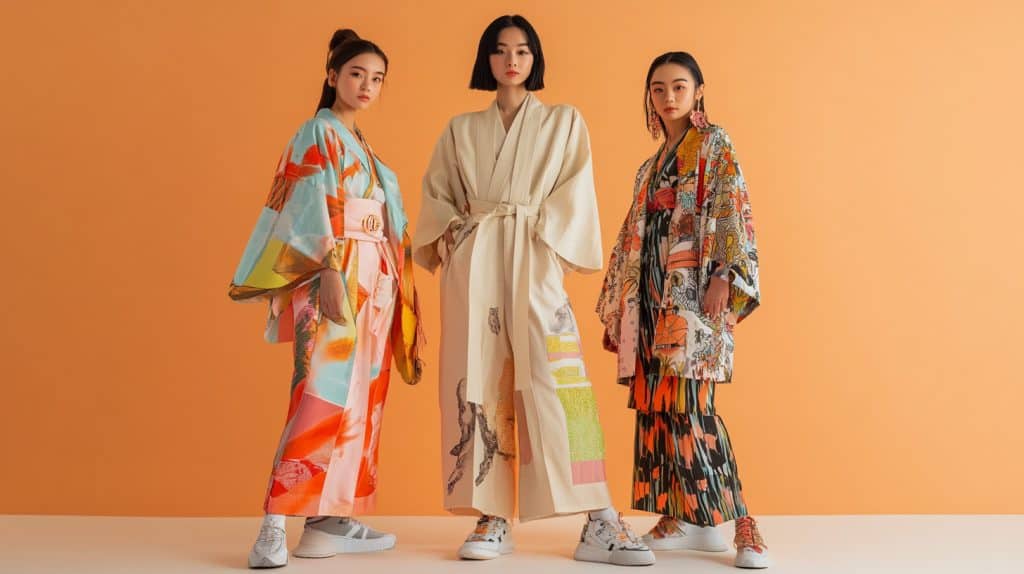
Modern Kimono Street Style: 7 Bold Outfit Ideas That Redefine Tradition Modern kimono street style blends the elegance of tradition with contemporary design, offering a fresh perspective on how this iconic garment can be worn today. In neighborhoods from Harajuku to Shibuya, people of all ages mix classic kimono silhouettes with streetwear, bold patterns, and inventive layering. This evolution has made kimonos a staple not just for formal occasions but for everyday outfits, reflecting individual creativity and the changing fashion scene. Readers will discover seven standout design themes redefining the modern kimono and get inspiration for their own unique looks. Modern Kimono Street Style Essentials Modern kimono street style combines the timeless elegance of the traditional Japanese garment with updated cuts, fabrics, and styling methods. This style stands out for its focus on innovative layering, fresh silhouettes, and practical adaptations for urban life. Key Elements of the Modern Kimono Look Kimono fashion today emphasizes a balance between heritage and innovation. Designers use lighter fabrics, vibrant prints, and new closure styles, often replacing the classic obi with thinner sashes or even belts. Embellishments such as modern embroidery, patchwork, or printed graphics are also frequent. Practicality is key: pockets, shorter sleeves, and machine-washable materials make contemporary designs suitable for daily wear. Kimonos are worn open like jackets or tied loosely, offering an approachable way to style a kimono. Color palettes range from subdued monochromes to striking combinations. Key details, such as wide sleeves and clean, straight lines, still reference the traditional Japanese garment while staying current. List of Modern Elements: Lighter, casual fabrics (cotton, linen, blends) Shorter or cropped sleeve lengths Alternative closures (belts, thin ties, buttons) Everyday-friendly details (pockets, easy-care materials) Layering Techniques for Street Style Layering is essential when learning how to wear a kimono in a street style context. Many style a kimono as a top layer over basics like T-shirts, turtlenecks, or dresses. Mixing textures—wearing silk kimonos over denim or jersey—creates visual interest. Street style incorporates both structured and loose pieces. It’s common to see a kimono paired with wide-leg trousers, pleated skirts, or fitted jeans. Layered looks often combine traditional garments with casual urban staples, blending cultures and eras. For cooler months, some layer a kimono beneath a tailored coat for a subtle, sophisticated edge. Accessories like crossbody bags or chunky sneakers add a practical, modern touch to the ensemble. Sample Layering Ideas: Inner Layer Kimono Style Bottoms Turtleneck Silk, open-front Wide-leg pants Simple dress Linen, belted Skinny jeans Graphic Tee Cotton, cropped Pleated skirt Silhouettes and Fits That Define the Trend Contemporary kimono silhouettes favor relaxed but intentional fits. Many are less voluminous than ceremonial versions, making movement easier and the look more accessible. Midi and knee-length kimonos are common, often styled to hit just below the hip or mid-thigh. The fit tends toward straight lines or gentle A-shapes. Dropped shoulders and slight oversized fits are popular for a casual, effortless vibe. Cropped kimonos, which expose more of the base layer outfit, have also become prominent in modern kimono fashion. Unstructured fits enhance the easy elegance inherent to the traditional Japanese garment, but subtle tailoring and smart fabric choices keep the look polished. Adjustable sashes or belts let the wearer experiment with silhouette while retaining comfort. Key Silhouette Features: Midi or knee-length designs Straight, minimal tailoring Dropped shoulders Optional oversized cuts Cropped variations for layering Popular Kimono Design Themes Modern kimono street style features a variety of design themes that draw from both Japanese tradition and worldwide trends. Each approach highlights different elements, such as color palettes, patterns, or cultural influences, offering a diverse range of options for individual expression. Minimalist Aesthetics Minimalist kimono styles use clean lines, solid colors, and few embellishments. These contemporary designs often feature neutral shades like black, white, and beige, sometimes with a single statement color or subtle detail. Key Features: Simple obi sashes without elaborate knots Lightweight fabrics, such as cotton or linen Uncluttered patterns, often geometric or even plain This theme appeals to those who favor understated elegance and prefer versatile garments. The minimalist approach ensures the kimono integrates easily into daily wardrobes or urban environments without drawing excessive attention. Harajuku Pop Harajuku pop embraces the playful and creative side of Japanese street fashion. Bold colors, clashing prints, and unconventional accessories are central to this style. Signature Elements: Bright pastels, neons, and saturated primary hues Anime- and manga-inspired graphics Mixed media: patches, embroidery, and stickers Wearers often layer their kimonos over T-shirts, skirts, or even denim, crafting a quirky, energetic look. Accessories like oversized bows, platform shoes, and unique handbags enhance the statement. Boho Wanderer Boho-inspired kimono designs incorporate relaxed silhouttes and intricate patterns. These kimonos tend to showcase natural motifs and are often made of flowing, lightweight fabrics. Highlights Include: Earth-tone palettes and muted colors Decorative fringes or tassels on sleeves and hems Patterns such as paisley, mandala, and tie-dye This theme draws from global bohemian trends while respecting the traditional form of the kimono. The result feels effortless and free-spirited, often paired with wide-brim hats or layered jewelry. Floral & Feminine Floral and feminine kimonos have a strong presence due to their timeless beauty. These pieces are adorned with intricate floral patterns and soft color gradients. Common Motifs: Cherry blossoms (sakura), peonies, chrysanthemums Soft pinks, lavenders, and delicate blues Embroidered or printed petals and vines These designs often use silk or satin for a subtle sheen. The floral theme suits occasions that call for grace and charm, making this style especially popular for spring events or celebrations. Urban Monochrome Urban monochrome kimonos focus on a sharp, city-inspired aesthetic. Black, grey, and white dominate the palette, and patterns are often abstract or linear. Defining Features: Color-blocking and oversized silhouettes Metallic or leather accents Minimal, abstract prints or even solid black This style caters to those seeking a bold yet sophisticated impression. Such kimonos are easy to pair with contemporary accessories, like chunky sneakers or modern backpacks, for a look that bridges traditional and street fashion. Vintage-Inspired
Types of Wagashi: Traditional Japanese Sweets Explained
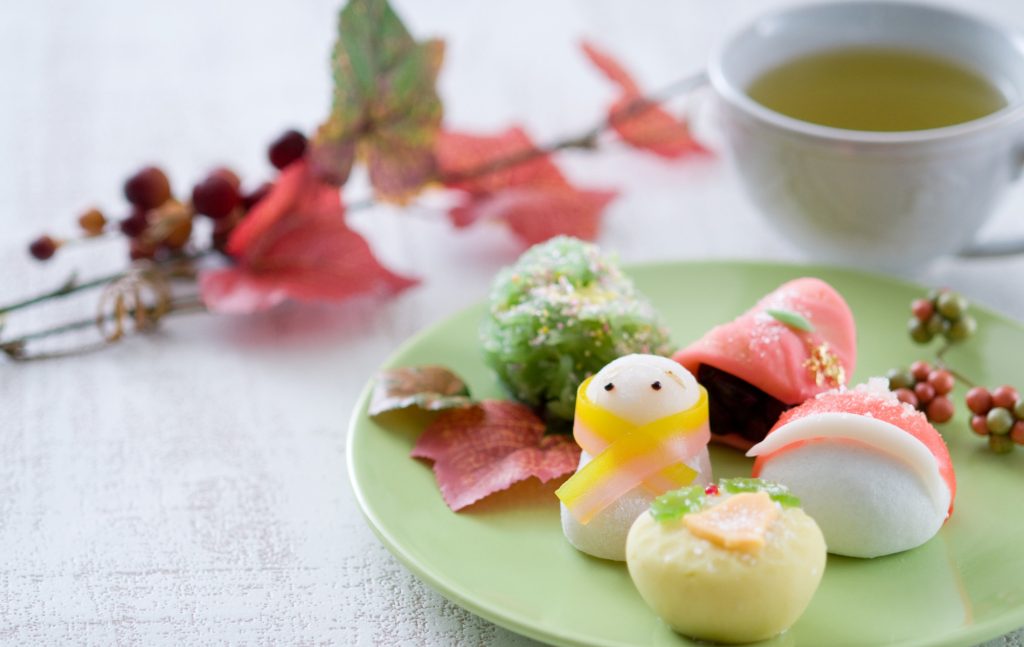
Types of Wagashi: Traditional Japanese Sweets Explained Wagashi, the traditional Japanese sweets, offer a delightful array of tastes, textures, and visual appeal that can captivate anyone with a sweet tooth. These confections are more than just treats; they are an essential aspect of Japanese culture, often enjoyed during tea ceremonies to balance the bitterness of matcha. Originating from ancient influences and evolving over centuries, wagashi encompass a variety of styles that reflect the distinct seasons and regional flavours of Japan. Among the many types, Kougei-gashi stands out as an ornamental variety not meant for consumption but designed to showcase exquisite craftsmanship. Decorative and artistic, these creations harken back to the late Edo period and serve as a testament to the skill of their creators. This tradition adds a unique dimension to the appreciation of wagashi, making it a feast for both the palate and the eyes. Other popular varieties include Botamochi, where mochi is used as the filling, enveloped in red bean paste, showcasing a reverse take on the usual presentation. Dango, another favourite, consists of small rice flour dumplings usually served on skewers, offering a versatile snack or dessert option. These examples demonstrate how wagashi can vary widely, ensuring there is something to please every taste. Historical Context of Wagashi As Treats Wagashi, the traditional Japanese confections, have a rich history shaped by foreign influences and indigenous customs. They evolved significantly over time, deeply intertwining with cultural practices such as tea ceremonies and adapting regional characteristics. Evolution from Chinese Influence Wagashi’s origins trace back over two millennia, heavily influenced by Chinese confectionery techniques introduced through cultural exchanges. Early forms of wagashi, such as dango, derived from ground nuts processed into a powder and transformed into a dough-like consistency. In the 6th century, with the spread of Buddhism from China, more refined sweets incorporating mochi, rice flour, and azuki beans began to appear. These sweets took on a ceremonial significance, often served at religious events to signify purity and celebration. Integration in Japanese Tea Ceremony By the Heian period, wagashi had become an integral part of Japanese tea ceremonies. Kyoto-styled wagashi, known as Kyo-gashi, were particularly noted for their aesthetic appeal. These confections were crafted to reflect seasonal changes, aligning with the tea ceremony’s emphasis on nature and contemplation. The tea ceremony popularised wagashi, with Edo (present-day Tokyo) developing a simpler variation known as Jyo-gashi, making the confectionery accessible to the growing middle class. This set the foundation for wagashi’s present prominent role in Japanese cultural rituals. Regional Variations and Developments Throughout the Edo period, regional variations of wagashi developed, reflecting local tastes and ingredients. In Kyoto, artisans focused on elaborate, decorative sweets, while Tokyo favoured more practical, everyday confections. Further diversification occurred during the Meiji era when Japan opened to Western influences. This period saw the introduction of new ingredients and techniques, leading to contemporary styles that blend traditional and Western elements. Modern wagashi continues to celebrate regional diversity, with each area in Japan boasting unique types of these confections, showcasing both historical tradition and modern innovation. Fundamentals Makings of Wagashi Wagashi, traditional Japanese confections, centre around specific ingredients and embody distinct textures and aesthetic principles. Each sweet often carries deep symbolic meaning, reflecting the seasons and Japanese culture. Primary Ingredients Rice and Rice Flour: Central to Wagashi, rice and rice flour, especially glutinous rice flour, form the basis for many types. Mochi, a common ingredient, is made from glutinous rice and provides a chewy texture. Beans: Sweet red bean paste, made from adzuki beans, is a staple. The paste can be smooth (koshi-an) or coarse (tsubu-an). Sugar: Integral for flavour, sugar balances the natural bitterness of some ingredients like green tea and enhances the overall sweetness. Agar: Used as a gelling agent in sweets like yokan, agar provides a firm yet delicate structure and is derived from seaweed. Texture and Taste Chewy and Soft: Many Wagashi types, including mochi, offer a chewy consistency due to the use of glutinous rice. Smooth and Glossy: Bean paste-based sweets, such as nama-gashi, often have a smooth texture that melts in the mouth. Crisp and Light: Some confections, like senbei (rice crackers), provide a contrasting crisp texture. Sweet and Subtle: The sweetness in Wagashi is often balanced and not overpowering, allowing other flavours like the earthiness of matcha (green tea) to shine through. Symbolism and Aesthetics Seasonal Reflection: Wagashi often mirrors the seasons: sakura (cherry blossom) motifs in spring or yuzu (citrus) flavours in winter. This seasonal alignment enhances the cultural and aesthetic value. Craftsmanship: The visual appeal of Wagashi is as important as taste. Kougei-gashi are elaborate decorative sweets crafted primarily for visual enjoyment. Cultural Themes: Many Wagashi are designed to represent elements from nature, such as flowers, leaves, or animals, celebrating the natural beauty and heritage of Japan. Tea Ceremonies: Wagashi plays a significant role in tea ceremonies, with specific types complementing the bitter notes of green tea, creating a balanced and harmonious experience. Main Types of Wagashi Sweets Wagashi encompasses a variety of Japanese traditional sweets, each with unique ingredients, preparation methods, and cultural significance. Here are the main types that highlight the diversity and artistry of these confections: Namagashi Namagashi are often enjoyed during tea ceremonies and are known for their intricate designs and seasonal themes. They are typically made with rice flour, sweet bean paste, and agar. Their texture is delicate and moist, offering an experience that delights both the eyes and the palate. Examples include higashi, which can be pressed into elaborate shapes, and mizuyokan, a jelly-like sweet made with red bean paste. Mochi Varieties Mochi, made from pounded glutinous rice, is a cornerstone of Wagashi. Its chewy and sticky texture is widely appreciated. Daifuku is a popular variety where mochi wraps around a sweet filling like red bean paste. Dango, another well-known form, consists of mochi balls often served on skewers and drizzled with sweet soy sauce. Botamochi (or ohagi) reverses the typical mochi treat by using mochi as a