Home
Shop
Journey
  • Home
  • Shop
  • Journey
  • Orders
Home
Blogs
Shop
  • Home
  • Shop
  • Journey
  • Orders
midnightpulse_01554_Full-body_studio_shot_of_three_women_standi_6ecfe115-d58c-4c79-8566-3834d3a68108
June 7 2025

Modern Kimono Street Style: 7 Bold Outfit Ideas That Redefine Tradition

wbunka.admin Tradition kimono

Modern Kimono Street Style: 7 Bold Outfit Ideas That Redefine Tradition

Modern kimono street style blends the elegance of tradition with contemporary design, offering a fresh perspective on how this iconic garment can be worn today. In neighborhoods from Harajuku to Shibuya, people of all ages mix classic kimono silhouettes with streetwear, bold patterns, and inventive layering.

This evolution has made kimonos a staple not just for formal occasions but for everyday outfits, reflecting individual creativity and the changing fashion scene. Readers will discover seven standout design themes redefining the modern kimono and get inspiration for their own unique looks.

Modern Kimono Street Style Essentials

Modern kimono street style combines the timeless elegance of the traditional Japanese garment with updated cuts, fabrics, and styling methods. This style stands out for its focus on innovative layering, fresh silhouettes, and practical adaptations for urban life.

Key Elements of the Modern Kimono Look

Kimono fashion today emphasizes a balance between heritage and innovation. Designers use lighter fabrics, vibrant prints, and new closure styles, often replacing the classic obi with thinner sashes or even belts. Embellishments such as modern embroidery, patchwork, or printed graphics are also frequent.

Practicality is key: pockets, shorter sleeves, and machine-washable materials make contemporary designs suitable for daily wear. Kimonos are worn open like jackets or tied loosely, offering an approachable way to style a kimono.

Color palettes range from subdued monochromes to striking combinations. Key details, such as wide sleeves and clean, straight lines, still reference the traditional Japanese garment while staying current.

List of Modern Elements:

  • Lighter, casual fabrics (cotton, linen, blends)
  • Shorter or cropped sleeve lengths
  • Alternative closures (belts, thin ties, buttons)
  • Everyday-friendly details (pockets, easy-care materials)

Layering Techniques for Street Style

Layering is essential when learning how to wear a kimono in a street style context. Many style a kimono as a top layer over basics like T-shirts, turtlenecks, or dresses. Mixing textures—wearing silk kimonos over denim or jersey—creates visual interest.
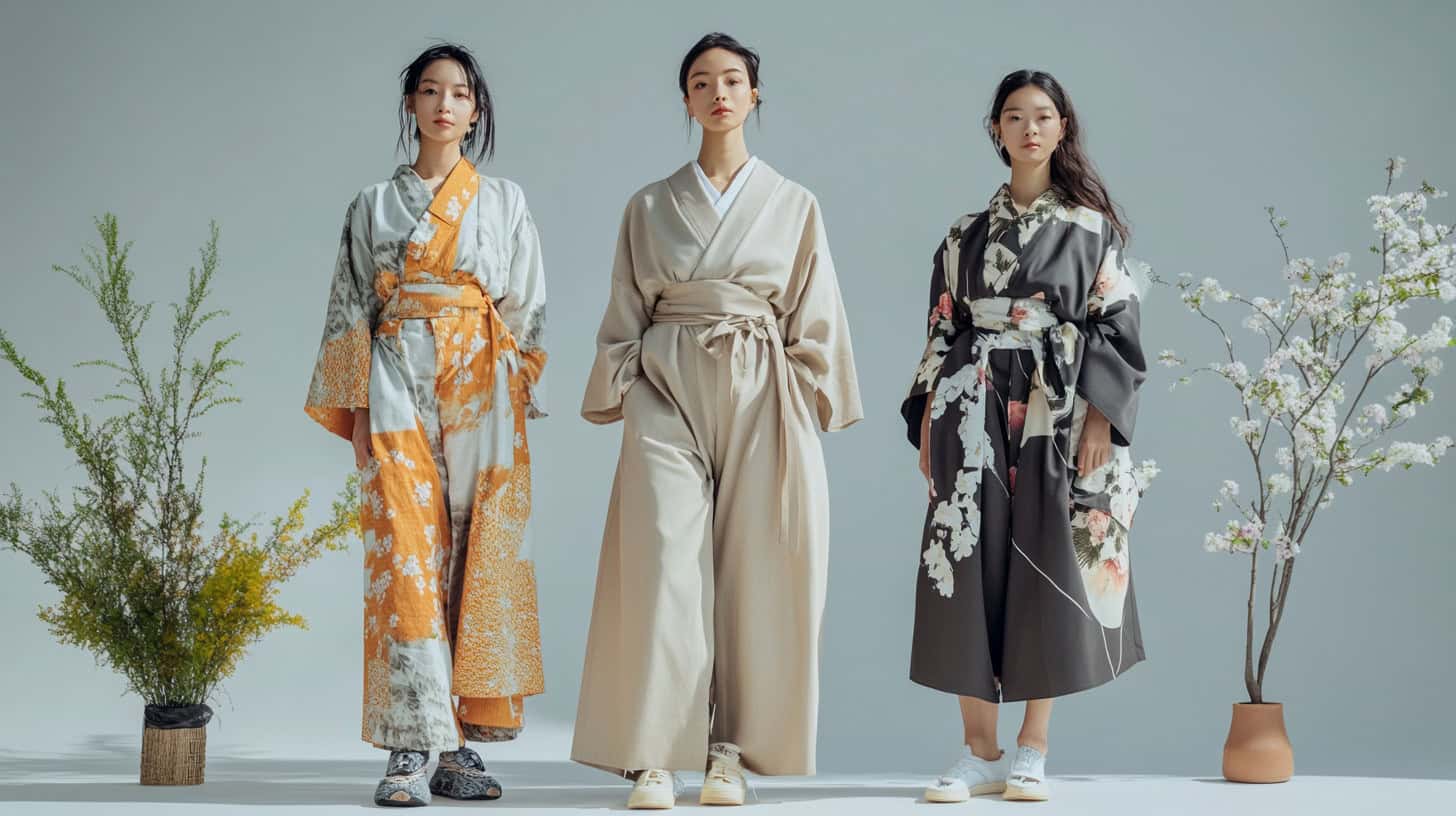
Street style incorporates both structured and loose pieces. It’s common to see a kimono paired with wide-leg trousers, pleated skirts, or fitted jeans. Layered looks often combine traditional garments with casual urban staples, blending cultures and eras.

For cooler months, some layer a kimono beneath a tailored coat for a subtle, sophisticated edge. Accessories like crossbody bags or chunky sneakers add a practical, modern touch to the ensemble.

Sample Layering Ideas:

Inner LayerKimono StyleBottoms
TurtleneckSilk, open-frontWide-leg pants
Simple dressLinen, beltedSkinny jeans
Graphic TeeCotton, croppedPleated skirt

Silhouettes and Fits That Define the Trend

Contemporary kimono silhouettes favor relaxed but intentional fits. Many are less voluminous than ceremonial versions, making movement easier and the look more accessible. Midi and knee-length kimonos are common, often styled to hit just below the hip or mid-thigh.

The fit tends toward straight lines or gentle A-shapes. Dropped shoulders and slight oversized fits are popular for a casual, effortless vibe. Cropped kimonos, which expose more of the base layer outfit, have also become prominent in modern kimono fashion.

Unstructured fits enhance the easy elegance inherent to the traditional Japanese garment, but subtle tailoring and smart fabric choices keep the look polished. Adjustable sashes or belts let the wearer experiment with silhouette while retaining comfort.

Key Silhouette Features:

  • Midi or knee-length designs
  • Straight, minimal tailoring
  • Dropped shoulders
  • Optional oversized cuts
  • Cropped variations for layering

Popular Kimono Design Themes

Modern kimono street style features a variety of design themes that draw from both Japanese tradition and worldwide trends. Each approach highlights different elements, such as color palettes, patterns, or cultural influences, offering a diverse range of options for individual expression.

Minimalist Aesthetics

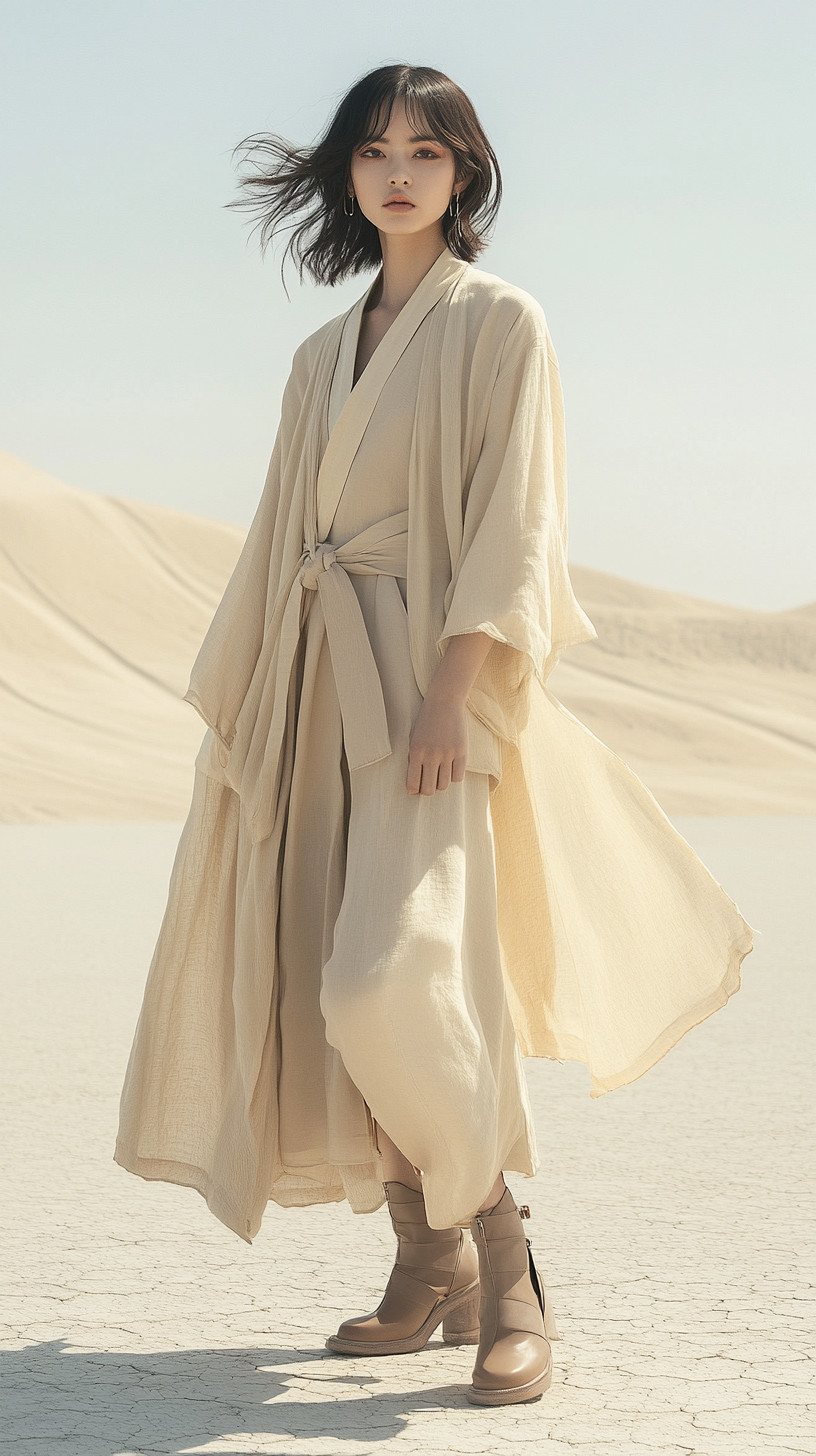
Minimalist kimono styles use clean lines, solid colors, and few embellishments. These contemporary designs often feature neutral shades like black, white, and beige, sometimes with a single statement color or subtle detail.
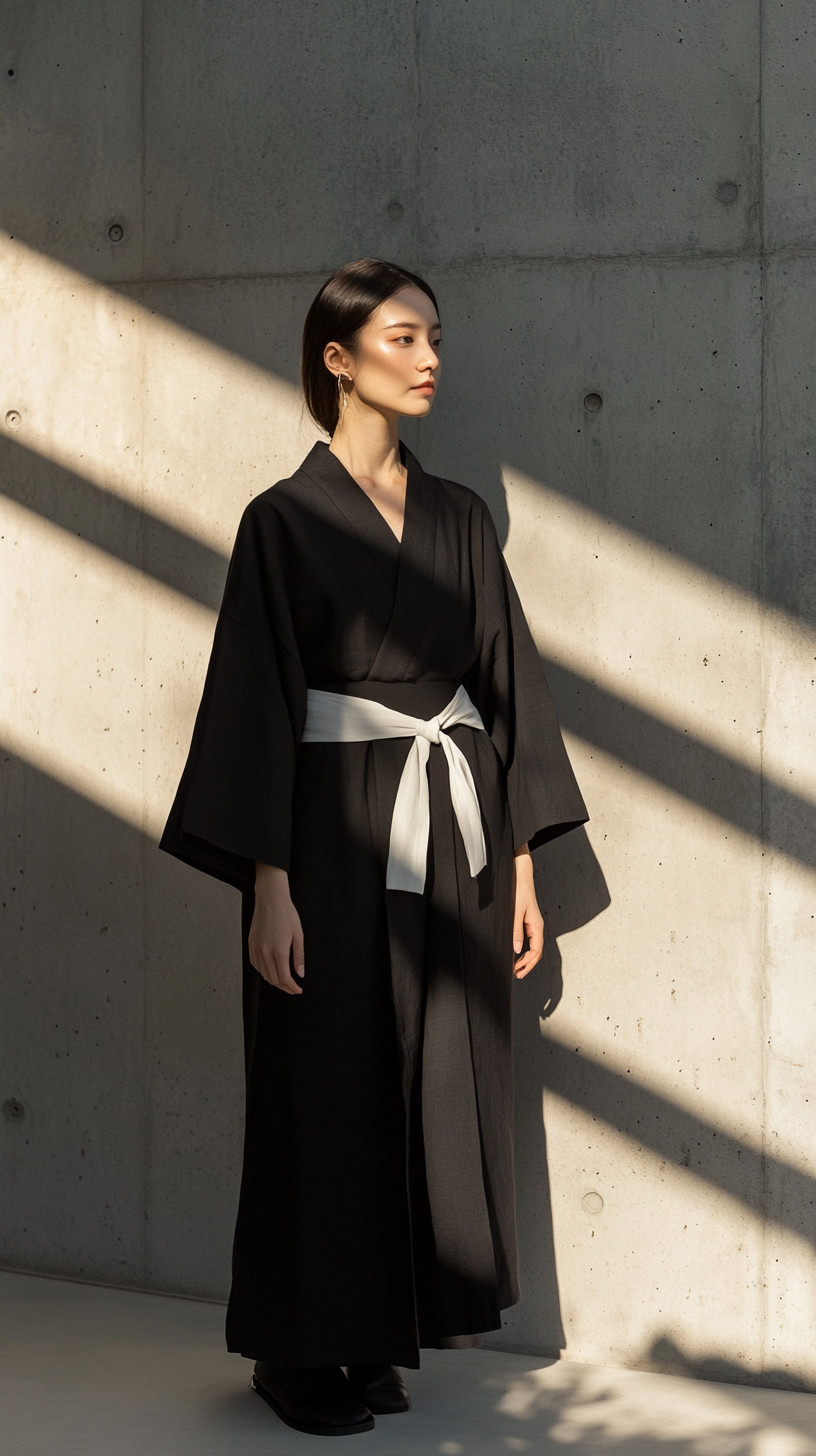
Key Features:

  • Simple obi sashes without elaborate knots
  • Lightweight fabrics, such as cotton or linen
  • Uncluttered patterns, often geometric or even plain

This theme appeals to those who favor understated elegance and prefer versatile garments. The minimalist approach ensures the kimono integrates easily into daily wardrobes or urban environments without drawing excessive attention.

Harajuku Pop

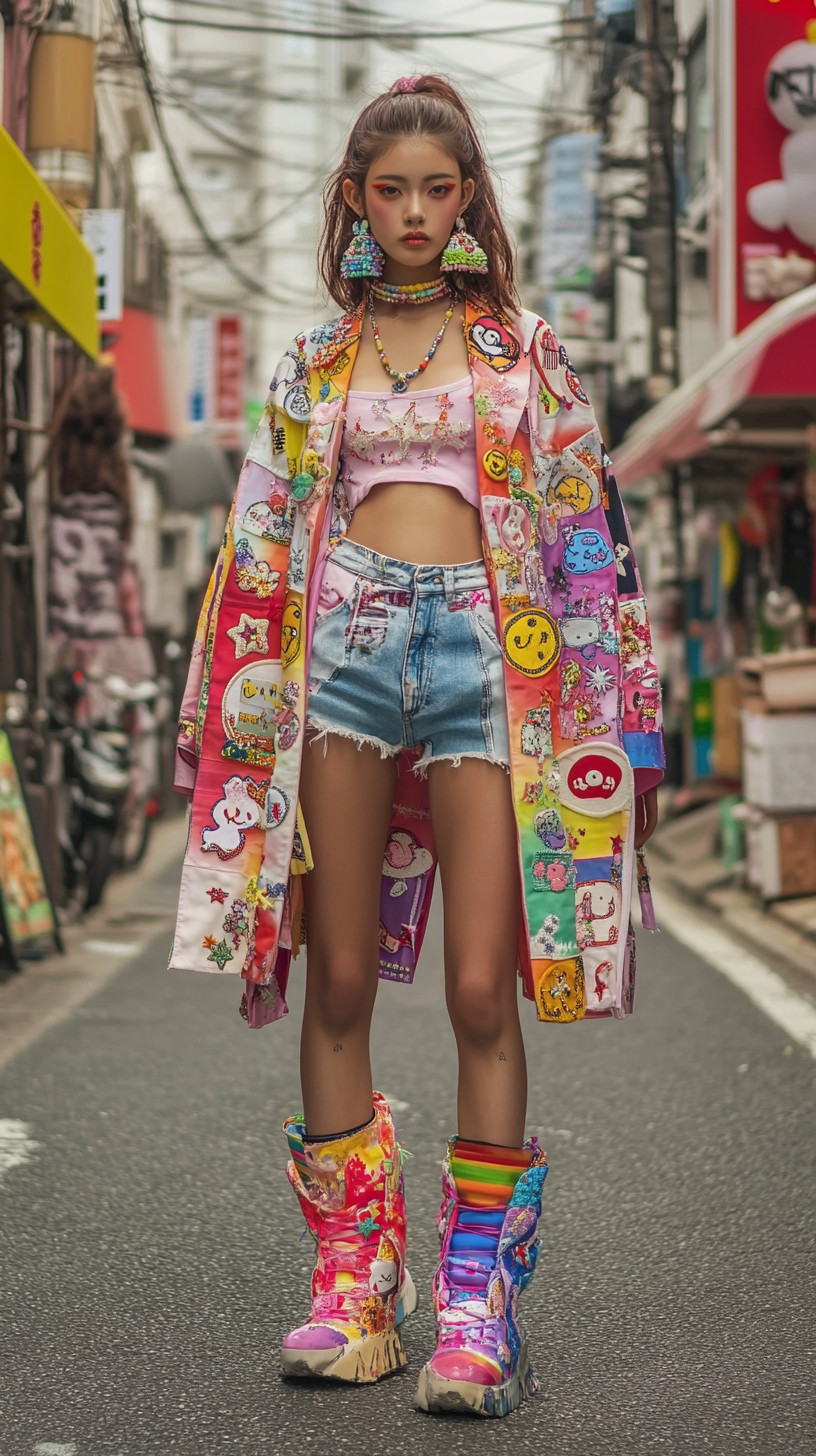
Harajuku pop embraces the playful and creative side of Japanese street fashion. Bold colors, clashing prints, and unconventional accessories are central to this style.

Signature Elements:

  • Bright pastels, neons, and saturated primary hues
  • Anime- and manga-inspired graphics
  • Mixed media: patches, embroidery, and stickers

Wearers often layer their kimonos over T-shirts, skirts, or even denim, crafting a quirky, energetic look. Accessories like oversized bows, platform shoes, and unique handbags enhance the statement.

Boho Wanderer

Boho-inspired kimono designs incorporate relaxed silhouttes and intricate patterns. These kimonos tend to showcase natural motifs and are often made of flowing, lightweight fabrics.

Highlights Include:

  • Earth-tone palettes and muted colors
  • Decorative fringes or tassels on sleeves and hems
  • Patterns such as paisley, mandala, and tie-dye

This theme draws from global bohemian trends while respecting the traditional form of the kimono. The result feels effortless and free-spirited, often paired with wide-brim hats or layered jewelry.

Floral & Feminine

Floral and feminine kimonos have a strong presence due to their timeless beauty. These pieces are adorned with intricate floral patterns and soft color gradients.


Common Motifs:

  • Cherry blossoms (sakura), peonies, chrysanthemums
  • Soft pinks, lavenders, and delicate blues
  • Embroidered or printed petals and vines

These designs often use silk or satin for a subtle sheen. The floral theme suits occasions that call for grace and charm, making this style especially popular for spring events or celebrations.

Urban Monochrome

Urban monochrome kimonos focus on a sharp, city-inspired aesthetic. Black, grey, and white dominate the palette, and patterns are often abstract or linear.


Defining Features:

  • Color-blocking and oversized silhouettes
  • Metallic or leather accents
  • Minimal, abstract prints or even solid black

This style caters to those seeking a bold yet sophisticated impression. Such kimonos are easy to pair with contemporary accessories, like chunky sneakers or modern backpacks, for a look that bridges traditional and street fashion.

Vintage-Inspired Looks

Vintage themes pay homage to earlier kimono styles while introducing subtle updates. Retro prints, classic tailoring, and antique colorways take center stage.

Distinguishing Aspects:

  • Patterns borrowed from the Taisho or Showa periods
  • Aged effects, muted reds, deep indigos, and faded golds
  • Obi sashes with traditional motifs but modern fabrics

Vintage-inspired kimonos often appeal to collectors and enthusiasts interested in both history and contemporary trends. These designs provide authenticity while remaining wearable for modern settings.

Nature & Seasons

Nature and seasonal motifs are central in many kimono designs. Artists select imagery and colors that reflect the time of year or local landscapes.

Frequent Elements:

  • Maple leaves (momiji) in autumn, plum blossoms in early spring
  • Waves, cranes, and mountains
  • Dyeing techniques to mimic water, clouds, or changing foliage

Kimonos in this theme often shift their patterns and tones throughout the year. Adapting to nature’s cycle is a key part of Japanese clothing tradition, ensuring each kimono feels timely and meaningful.

Iconic Kimono Styles for Streetwear

Modern kimono street fashion draws from traditional designs but adapts them with bold colors, unique fabrics, and styling choices. Specific styles—like yukata and furisode—are being reimagined for everyday city wear, blending heritage with current trends.

Yukata: Lightweight Versatility

The yukata is a lightweight, unlined cotton kimono, traditionally worn during summer festivals and at ryokan inns. In modern streetwear, the yukata has gained popularity for its comfort and breathability. Its simple wrap style makes it easy to layer over casual outfits like jeans, shorts, or even graphic tees.

Yukata often come in bold prints, florals, and geometric patterns, offering a vibrant statement on the street. Many streetwear enthusiasts pair yukata with western accessories, including sneakers or bucket hats, for a balanced look. The sash, or obi, is typically lighter and simpler than formal kimono, making it practical for daily wear.

For those seeking entry-level kimono style, the yukata presents the most approachable option. Its affordability and ease of care have cemented its place as a favorite among young urbanites.

Furisode: Statement Sleeves

The furisode is known for its extremely long, flowing sleeves—often reaching between 85 cm and 114 cm. Traditionally reserved for unmarried women and worn at coming-of-age ceremonies, the furisode is now a striking choice for those wanting dramatic flair in street style.

Modern street fashion highlights the furisode’s bold sleeve design by contrasting it with minimalist or monochrome outfits underneath. Some choose to belt the kimono higher at the waist, altering the formal silhouette to suit a more relaxed vibe.

Furisode are often made with rich silks and intricate motifs such as cranes or cherry blossoms. These details bring a touch of Japanese heritage into contemporary urban scenes, offering a dramatic visual impact.

Tomesode and Kurotomesode

Tomesode are formal kimonos, typically black (kurotomesode) with decorative patterns below the waist, worn by married women at ceremonial events. In streetwear, their use has shifted from formal occasions to an edgy statement layer.

The minimalist patterning on the lower hem provides opportunities to pair tomesode with plain skirts or tailored pants. Kurotomesode, being almost all black aside from the hem design, integrate easily into modern monochrome looks. When styled open over a t-shirt or turtleneck, they create a refined outerwear effect.

Street stylists sometimes use bold contrasting sashes or modern jewelry to break tradition and add personality. The understated elegance of the tomesode offers versatility for both casual and upscale urban outfits.

Houmongi, Komon, and Uchikake

The houmongi features flowing patterns crossing the seams, making it suitable for semi-formal wear. In street style, it stands out for its hand-painted or dyework designs which turn the kimono into wearable art. Layered over casual garments, the houmongi brings an artistic touch to city fashion.

Komon kimonos are defined by all-over small patterns, giving them a playful or understated character depending on the print. These styles work well as a patterned jacket over modern basics. Their subtle motifs complement, rather than overpower, an outfit.

The uchikake is a padded, heavier kimono often used as a formal bridal robe. Streetwear has adapted lightweight, uchikake-inspired layers—sometimes with exaggerated colors or embroidery—for dramatic street ensembles. When worn open, uchikake-inspired pieces function like a statement coat, drawing attention with every movement.

Kimono StyleKey FeaturesTypical Use in Streetwear
YukataLight cotton, bold printsEasy layering, summer outfits
FurisodeLong sleeves, vibrant silkDramatic layering, statement look
Tomesode/KurotomesodeBlack, hem designs, formalMonochrome styling, outerwear
HoumongiSeamless art patternsArtistic layering, semi-formal
KomonAll-over small printsPatterned jackets, casual looks
UchikakePadded, ornateStatement coats, bold outerwear
Untitled-design-5.png
July 21 2024

Types of Wagashi: Traditional Japanese Sweets Explained

wbunka.admin Tradition

Wagashi, the traditional Japanese sweets, offer a delightful array of tastes, textures, and visual appeal that can captivate anyone with a sweet tooth. These confections are more than just treats; they are an essential aspect of Japanese culture, often enjoyed during tea ceremonies to balance the bitterness of matcha. Originating from ancient influences and evolving over centuries, wagashi encompass a variety of styles that reflect the distinct seasons and regional flavours of Japan.

Among the many types, Kougei-gashi stands out as an ornamental variety not meant for consumption but designed to showcase exquisite craftsmanship. Decorative and artistic, these creations harken back to the late Edo period and serve as a testament to the skill of their creators. This tradition adds a unique dimension to the appreciation of wagashi, making it a feast for both the palate and the eyes.

Other popular varieties include Botamochi, where mochi is used as the filling, enveloped in red bean paste, showcasing a reverse take on the usual presentation. Dango, another favourite, consists of small rice flour dumplings usually served on skewers, offering a versatile snack or dessert option. These examples demonstrate how wagashi can vary widely, ensuring there is something to please every taste.

Historical Context of Wagashi As Treats

An assortment of traditional japanese wagashi sweets


Wagashi, the traditional Japanese confections, have a rich history shaped by foreign influences and indigenous customs. They evolved significantly over time, deeply intertwining with cultural practices such as tea ceremonies and adapting regional characteristics.

Evolution from Chinese Influence

Wagashi’s origins trace back over two millennia, heavily influenced by Chinese confectionery techniques introduced through cultural exchanges. Early forms of wagashi, such as dango, derived from ground nuts processed into a powder and transformed into a dough-like consistency.

In the 6th century, with the spread of Buddhism from China, more refined sweets incorporating mochi, rice flour, and azuki beans began to appear. These sweets took on a ceremonial significance, often served at religious events to signify purity and celebration.

Integration in Japanese Tea Ceremony

By the Heian period, wagashi had become an integral part of Japanese tea ceremonies. Kyoto-styled wagashi, known as Kyo-gashi, were particularly noted for their aesthetic appeal. These confections were crafted to reflect seasonal changes, aligning with the tea ceremony’s emphasis on nature and contemplation.

The tea ceremony popularised wagashi, with Edo (present-day Tokyo) developing a simpler variation known as Jyo-gashi, making the confectionery accessible to the growing middle class. This set the foundation for wagashi’s present prominent role in Japanese cultural rituals.

Regional Variations and Developments

Throughout the Edo period, regional variations of wagashi developed, reflecting local tastes and ingredients. In Kyoto, artisans focused on elaborate, decorative sweets, while Tokyo favoured more practical, everyday confections.

Further diversification occurred during the Meiji era when Japan opened to Western influences. This period saw the introduction of new ingredients and techniques, leading to contemporary styles that blend traditional and Western elements.

Modern wagashi continues to celebrate regional diversity, with each area in Japan boasting unique types of these confections, showcasing both historical tradition and modern innovation.

Fundamentals Makings of Wagashi

Ornamental wagashi in Japan


Wagashi, traditional Japanese confections, centre around specific ingredients and embody distinct textures and aesthetic principles. Each sweet often carries deep symbolic meaning, reflecting the seasons and Japanese culture.

Primary Ingredients

Rice and Rice Flour: Central to Wagashi, rice and rice flour, especially glutinous rice flour, form the basis for many types. Mochi, a common ingredient, is made from glutinous rice and provides a chewy texture.

Beans: Sweet red bean paste, made from adzuki beans, is a staple. The paste can be smooth (koshi-an) or coarse (tsubu-an).

Sugar: Integral for flavour, sugar balances the natural bitterness of some ingredients like green tea and enhances the overall sweetness.

Agar: Used as a gelling agent in sweets like yokan, agar provides a firm yet delicate structure and is derived from seaweed.

Texture and Taste

Chewy and Soft: Many Wagashi types, including mochi, offer a chewy consistency due to the use of glutinous rice.

Smooth and Glossy: Bean paste-based sweets, such as nama-gashi, often have a smooth texture that melts in the mouth.

Crisp and Light: Some confections, like senbei (rice crackers), provide a contrasting crisp texture.

Sweet and Subtle: The sweetness in Wagashi is often balanced and not overpowering, allowing other flavours like the earthiness of matcha (green tea) to shine through.

Symbolism and Aesthetics

Seasonal Reflection: Wagashi often mirrors the seasons: sakura (cherry blossom) motifs in spring or yuzu (citrus) flavours in winter. This seasonal alignment enhances the cultural and aesthetic value.

Craftsmanship: The visual appeal of Wagashi is as important as taste. Kougei-gashi are elaborate decorative sweets crafted primarily for visual enjoyment.

Cultural Themes: Many Wagashi are designed to represent elements from nature, such as flowers, leaves, or animals, celebrating the natural beauty and heritage of Japan.

Tea Ceremonies: Wagashi plays a significant role in tea ceremonies, with specific types complementing the bitter notes of green tea, creating a balanced and harmonious experience.

Main Types of Wagashi Sweets

Dango small rice flour dumplings served in Japan


Wagashi encompasses a variety of Japanese traditional sweets, each with unique ingredients, preparation methods, and cultural significance. Here are the main types that highlight the diversity and artistry of these confections:

Namagashi

Namagashi are often enjoyed during tea ceremonies and are known for their intricate designs and seasonal themes. They are typically made with rice flour, sweet bean paste, and agar.

Their texture is delicate and moist, offering an experience that delights both the eyes and the palate. Examples include higashi, which can be pressed into elaborate shapes, and mizuyokan, a jelly-like sweet made with red bean paste.

Mochi Varieties

Mochi, made from pounded glutinous rice, is a cornerstone of Wagashi. Its chewy and sticky texture is widely appreciated. Daifuku is a popular variety where mochi wraps around a sweet filling like red bean paste.

Dango, another well-known form, consists of mochi balls often served on skewers and drizzled with sweet soy sauce. Botamochi (or ohagi) reverses the typical mochi treat by using mochi as a filling surrounded by red bean paste.

Bean-Paste Delicacies

Bean-paste delicacies often use anko, a sweetened red bean paste. Manju is a common type, featuring dough made from wheat flour or rice flour, filled with anko and steamed or baked.

Dorayaki is another popular sweet, consisting of two fluffy pancakes encasing anko. For a more delicate option, monaka comprises crisp wafer shells filled with anko, providing a delightful crunch.

Steamed and Baked Sweets

Wagashi also includes a variety of steamed and baked sweets. Karukan is a speciality from Kagoshima, made by steaming grated yam with rice flour and sugar. It can be shaped in rectangular or round forms.

Yokan, a firm jelly-like sweet made from red bean paste, agar, and sugar, is traditionally served in blocks and sliced before eating. These sweets often incorporate seasonal ingredients, capturing the essence of Japanese culinary traditions.

Seasonal Significance of Wagashi

Botamochi featuring mochi used

Wagashi reflects Japan’s four distinct seasons and the cultural traditions associated with each. These confections are crafted to align with seasonal motifs and celebrations, making them not only delicious but also emblematic of Japan’s rich heritage.

Spring and Cherry Blossoms

In spring, Hanami Dango and Sakura Mochi take centre stage. Hanami Dango, featuring three-coloured rice dumplings, symbolises cherry blossoms and are enjoyed during hanami, or flower-viewing parties. Sakura Mochi, a pink-coloured mochi wrapped in cherry leaves, is another seasonal treat. These sweets embody the beauty of cherry blossoms and complement the season’s cultural festivities.

As cherry blossoms bloom, seasonal motifs like cherry blossoms appear in wagashi designs. The arrival of spring brings not just new life in nature but also a sense of renewal in Japanese culture and culinary traditions.

Summer Treats and Festivities

During the hot summer months, lighter and refreshing wagashi are preferred. Kuzu Manju, a translucent dumpling made from kuzu starch and filled with sweet bean paste, is popular. This treat is served chilled, offering a cool respite from the heat.

Festivals such as Tanabata also feature special wagashi. Water drop mochi, resembling fresh water droplets, and Yokan, a jelly-like sweet made from red bean paste, sugar, and agar-agar, are commonly enjoyed. These treats are not just tasty but also add a sense of celebration to summer.

Seasonal motifs often include hydrangeas and fireworks, capturing the essence of summer’s vibrant and joyous atmosphere.

Autumnal Flavours

Autumn brings a rich variety of flavourful wagashi, reflecting harvest themes. Kuri Manju, a chestnut-filled sweet, and Tsukimi Dango, enjoyed during the moon-viewing festival, are iconic autumn treats. These sweets symbolise gratitude for the bountiful harvest.

The season’s motifs include leaves turning shades of red and yellow, often mirrored in the intricate designs of wagashi. Autumn wagashi celebrate the rich, earthy flavours of ingredients like sweet potatoes and pumpkins, making them hearty and satisfying.

This period also involves enjoying sweets that incorporate seasonal nuts and fruits, aligning with the harvest and the change in weather.

Winter Delicacies and Celebrations

Winter wagashi often embody warmth and festivity, aligning with New Year celebrations. Yuzu Mochi, flavoured with the citrus fruit yuzu, and Namagashi, a soft confection made from sweetened bean paste, rice flour, and fruit, are enjoyed during these months.

Osechi Ryori, the traditional New Year feast, features wagashi as part of the celebration. Seasonal motifs such as plum blossoms and pines appear, symbolising resilience and longevity.

Wagashi served during winter are often more substantial and comforting, matching the colder weather and festive spirit of the season. The sweets not only provide warmth but also carry deep cultural significance, marking the end of the old year and the beginning of the new.

Confectionery Techniques In Making Wagashi

Daifuku mochi in Japan


Wagashi involves several intricate techniques that contribute to its delicate appearance and unique textures. Moulding, steaming, baking, gelling, and setting are key methods used to create these traditional Japanese confections.

Moulding and Sculpting

Moulding and sculpting are essential for creating Nerikiri and other decorative Wagashi. Artists use moulds and hand-sculpting to form intricate designs replicating natural elements like flowers and animals.

Tools like palettes, knives, and special carving instruments help achieve fine details. Edible art in Wagashi reflects seasonal themes and aesthetics, elevating these sweets beyond simple confections to works of art. This technique requires skilled craftsmanship and often employs moist and malleable doughs, allowing for manipulation and detailed shaping.

Steaming and Baking

Steaming and baking are critical for varying the moisture content, flavour, and texture of Wagashi. Steaming involves cooking ingredients like grated yam and rice flour over boiling water, producing soft and moist cakes such as Karukan and Mizu Yokan.

Baking, contrastingly, creates drier textures and is employed in confections like Castella and Dorayaki. Ingredients like eggs, sugar, and flours blend during this process, resulting in fluffy or crispy outcomes. Both methods are chosen based on the desired finish and the type of Wagashi being prepared.

Gelling and Setting

Gelling and setting involve using agents like Kanten (agar) to create firm yet tender textures. Kanten is a gelatin substitute derived from algae and is used in many wagashi recipes. It is dissolved in water or juice and sets at room temperature, creating desserts like Mizu Yokan, which has a refreshing, jelly-like consistency.

This technique requires precision in measuring and mixing to achieve the ideal firmness. The ability to adjust sweetness and flavour while maintaining the gelled texture is crucial. Gelling and setting highlight the balance of taste and texture, crucial in traditional Japanese confectioneries.

Serving and Pairing Wagashi

Japanese tea ceremony with wagashi served


Wagashi, with its intricate designs and delicate flavours, serves as both a culinary delight and a visual treat. When served with different kinds of tea, it enhances the entire experience, especially during special occasions.

Tea Pairings

Wagashi is frequently paired with green tea or matcha during traditional tea ceremonies. The delicate sweetness of wagashi contrasts with the bitterness of the green tea, creating a balanced and harmonious flavour.

Matcha, with its bold and earthy taste, highlights the subtle flavours of various mochi, anko (sweet red bean paste), and dango (sweet rice dumplings).

Sencha and gyokuro are other popular tea choices. Sencha’s freshness pairs well with lighter, fruity wagashi, while gyokuro’s depth complements richer, nutty sweets. The careful pairing ensures that both the tea and wagashi are experienced to their fullest potential.

Presentation for Special Occasions

Presentation of wagashi during special occasions is an art form in itself. Each piece is meticulously crafted to reflect the season, theme, or specific celebration. For spring, elements like cherry blossoms and light pastel colours might be incorporated, while in autumn, rich reds and oranges with motifs of fall leaves are common.

Wagashi is often served on elegant, minimalist plates to highlight their beauty. During New Year celebrations, specific wagashi, like kazari-mochi, symbolise prosperity and good fortune.

The presentation is not only about aesthetics but also about showing respect and mindfulness towards the guest, adhering to the principles of harmony and tranquillity integral to Japanese culture.

Modern Variations and Influence of Wagashi

Wagashi has evolved significantly, embracing global influences and modern creativity. Notable trends include fusion flavours, international popularity, and innovative making techniques.

Fusion Wagashi

Modern wagashi often integrates Western influences and unique ingredients. For example, combining traditional Japanese mochi with ice cream creates “mochi ice cream”, a popular dessert worldwide. This fusion not only appeals to Japanese palates but also attracts global audiences.

Another intriguing fusion is the sweet mantou, inspired by Chinese cuisine. It showcases how wagashi can adapt to different tastes while retaining its cultural essence. Some contemporary wagashi even incorporate flavours from Western confectioneries, such as chocolate or vanilla, making them more relatable to non-Japanese consumers.

Global Popularity

Wagashi’s appeal has grown beyond Japan, thanks to department stores and speciality shops globally. These outlets often feature wagashi in beautifully detailed packaging, making them attractive gifts. The iconic Japanese character Doraemon has also played a role in popularising wagashi, particularly among younger audiences through anime and manga.

Food festivals, cultural exchange programmes, and social media have further propelled wagashi into the international spotlight. As a result, there is increasing demand for these delicate sweets in various countries, making them a trendy and sought-after culinary delight.

Innovation in Wagashi Making

Innovative methods in wagashi making include new cooking techniques and artistic designs. Formerly traditional tools are now supplemented with modern technology, allowing artisans to craft intricate patterns and shapes more precisely.

Ingredients have also seen innovation, with artisans experimenting with different types of sweeteners and natural colourings to appeal to health-conscious consumers. Creative shapes and forms, often inspired by nature or contemporary art, attract both locals and tourists. Some shops use interactive displays, allowing visitors to see the process and engage with the craft, enhancing their appreciation of wagashi artistry.

Wagashi in Popular Culture

Wagashi, with its delicate appearance and rich cultural history, has embedded itself in various aspects of popular culture, often appearing in media and represented by renowned brands.

Wagashi in Media

Wagashi frequently appears in Japanese media, notably in anime and manga. Characters are often seen enjoying these sweets during traditional tea ceremonies, festivals, or as everyday snacks. This helps to familiarise international audiences with wagashi, promoting an appreciation for Japanese cuisine.

Titles like “Cardcaptor Sakura” and “Sweetness & Lightning” feature wagashi, highlighting their cultural significance. These representations often emphasise the artistry involved in making wagashi, adding to their allure.

Ambassadors of Wagashi Brands

Prominent wagashi brands like Minamoto Kitchoan and Toraya play significant roles in popularising these confections. Minamoto Kitchoan is known for its innovative approach to traditional sweets, often collaborating with modern artists to create visually stunning treats.

Toraya, one of Japan’s oldest and most prestigious wagashi makers, has been an ambassador of this artisanal craft for centuries. Its products are often used in high-end tea ceremonies and royal events, setting the standard for quality and elegance in wagashi.

Archives

  • June 2025
  • July 2024
  • August 2021
  • July 2021
Art of Japanese confectioneries
August 10 2021

The Art of Japanese Confectioneries

wbunka.admin Recipes

What is Wagashi? Wagashi are sweet Japanese desserts made from glutinous rice, chestnuts, beans, brown sugar, and various flavorings. These confections are so tasty, they can be eaten as a dessert, snack, or even as a dessert before a meal.

“Wagashi” is a traditional Japanese confection that is traditionally served as an accompaniment to tea. Wagashi has many forms and there are many recipes from which it can be made, but wagashi generally consists of a variety of ingredients such as rice flour, glutinous rice flour, brown sugar, honey, white sugar, soy sauce, baking soda, sweet red bean paste, or honey.

The A-Z of Wagashi

The makers of wagashi are masters at using natural ingredients in their art.

Wagashi, has often been known to be plain, sweet, or salty. The original wagashi were rice sweets that were made by hand.

Wagashi made from flour and sugar were invented during the Edo period (1603-1868) and became popular among women after it was introduced as a lunchbox item.

This led to the mass production of wagashi in factories which started to become widespread around Japan during the Meiji period (1868-1912).

Because there were now more factory workers than craftsmen who could make wagashi by hand, machines began to replace the laborious work done by hand and thus machine-made wagashi appeared on the market in 1926.

Today, hand-made wagashi can be found in Japanese specialty stores and on the Internet. It is believed that WAGASHI recipes originally came from China, but took a life of their own over the centuries, playing a key role in the Japanese tea ceremony. The shape of the wagashi has been developed through a tradition passed down over generations in Japan.

Here are some examples of my favorite types of Wagashi

Senbei WAGASHI that are savory crackers made of rice and baked or roasted over a flame

Shiroi mochi WAGASHI, which are usually doughy rice cakes filled with a sweet paste

Dango WAGASHI is usually a rice dumpling made of glutinous rice, and is usually covered with something sweet, such as a soy based sweet sauce or kinako powder

Yokan WAGASHI is a type of jelly, usually molded into a bar. It is usually made with azuki beans, sugar, agar-agar. Some a beautifully made and are made to reflect the four seasons.

Daifuku WAGASHI literally translates to “great luck” and I love it because I’m lucky every time I have it. It’s made of a sticky rice, or mochi, and is typically filled with a sweet red bean paste

Dorayaki WAGASHI, the favorite of Doraemon. Made from two pancake-like steamed buns typically filled with a sweet red bean paste.

Wagashi isn’t just confectionary, it’s a Symbol of Peace and Harmony

Throughout the centuries, Wagashi has typically been eaten during tea ceremonies. They are typically decorated with colorful sugar patterns, and often have a chewy texture. These sweets are symbolic of the peace and harmony in the tea ceremony, when many people gather together in a harmonious atmosphere.

Untitled design (6)
August 10 2021

Japanese Culture & Confectionary

wbunka.admin Recipes

Japanese confectioneries are believed to date back to the Jomon period (up to 300BC).  It is believed that these early treats were made with nuts that were ground and drained to create the first dumplings.

As trade with China became more prevalent, especially during the Tang Dynasty, Japanese confectionaries evolved to become an integral part of the Japanese tea ceremony.

And as customs around the tea ceremony evolved, so did the role of confectionaries.

While the world may know Japan to be a culture of ‘omotenashi’, or a culture of hospitality, no Japanese custom manifests this more than the tea ceremony and the serving of sweets. At its core, it is “what is the essence of entertaining people” and the values of ‘harmony, respect, and sincerity’ became part of this ceremony.

1,000 years of cultivation has elevated Japanese confectionary into an art form of multi-sensorial delights. In a world that may need a bit more ‘harmony, respect, and sincerity,’ we bring you a collection of premium Japanese confectionary that will delight your senses and calm your soul.

Included with your curated package of Japanese confectionary, you will also find some tea.  We hope you enjoy both as the sweetness of the confectionary is counterbalanced by the bitterness of Japanese tea.

Wagashi = confectionary

Bunka = culture

Untitled design (5)
July 24 2021

Best Savory Japanese Confectionary for Winter, 2021

austinzengxujie@gmail.com Snack List

Tis the season for wintery sweets!

Japanese confectionary is at its best when artisans sell their limited edition treats. We’ll introduce a few of our favorite confectionary houses…

Takanekan:

For the winter months, Toraya, a brand famous for their “yokan”, currently sells in limited edition the ‘Takanekan’ for the winter months, which displays Japan’s iconic Mt. Fuji when the yokan is sliced.

Toraya is famous for their “yokan”, a gelatin-like block consisting of red bean paste, agar, and sugar.

According to them, “it makes a great centerpiece for all New Year celebrations.” But these treats usually sell out quickly.


Miyamamori:

Made with beans from Hokkaido, this delectable treat aims to evoke snow falling deep in the mountains. Rice, which in this confectionary depicts the snow, is suspended in gelatin and the texture is as fleeting as a snowflake that lands on your skin. As you bite into the center, you taste the subtle sweetness of red bean paste.


Kurimurasaki:

Chestnut suspended in Yo-kan (red bean jelly) with a dash of honey. This delectable treat is usually available from fall to around February. The chestnuts inside gives it quite some depth, the honey leaves a subtle sweetness that lingers as if an afterthought, and the yokan keeps everything in a delicate balance.

When served with green tea, the bitterness cuts through, cleansing the palate.

Winter time for confectionary is quite the seasonal event…

Enjoy Wagashi, premium Japanese confections, with a cup of high grade Japanese green tea every month. Now you and your esteemed loved ones can look forward to a curated box of prestigious Japanese treats, sent to your home.

  • Phone: +1 916-875-2235
  • Location: Tokyo, Japan
  • Email: info@wagashibunka.com
  • Website: www.wagashibunka.com

 © Wagashi Bunka 2021

Facebook Twitter Youtube Pinterest Linkedin
 © Wagashi Bunka 2021

Enjoy Wagashi, premium Japanese confections, with a cup of high grade Japanese green tea every month. Now you and your esteemed loved ones can look forward to a curated box of prestigious Japanese treats, sent to your home.

Pages

  • Home
  • About Us
  • Services
  • Contact

Information

  • Business
  • Terms
  • Privacy

Working Hours

  • Tokyo Japan
  • 123456789
  • info@wagashibunka.com

 © Wagashi Bunka 2021

Facebook Twitter Youtube Pinterest Linkedin

Our Services

  • Home
  • Blogs
  • Support
  • Disclaimer

Their Stories

  • Japanese confectionaries are an art form in their own right. Learn the story behind their products through our Wagashi Bunka boxes.

Novel Snacks

  • We don’t include treats from major manufacturers, instead, our confectionaries come from artisanal wagashi makers.

Experience Japan culture.

  • All the treats included in the month’s special box are made with love by authentic Japanese confectionary makers.

Enjoy Wagashi, premium Japanese confections, with a cup of high grade Japanese green tea every month. Now you and your esteemed loved ones can look forward to a curated box of prestigious Japanese treats, sent to your home.

Pages

  • Home
  • About Us
  • Services
  • Contact

Information

  • Business
  • Terms
  • Privacy

Working Hours

  • Tokyo Japan
  • 123456789
  • info@wagashibunka.com

 © Wagashi Bunka 2021

Facebook Twitter Youtube Pinterest Linkedin

Enjoy Wagashi, premium Japanese confections, with a cup of high grade Japanese green tea every month. Now you and your esteemed loved ones can look forward to a curated box of prestigious Japanese treats, sent to your home.

Pages

  • Home
  • Shop
  • Journey
  • Orders

Contact us

  • Tokyo Japan
  • 123456789
  • info@wagashibunka.com

Disclosure

  • As an Amazon Associate,
    I earn from qualifying purchases.

© Wagashi Bunka, 2025

Facebook Instagram Pinterest