Types of Wagashi: Traditional Japanese Sweets Explained
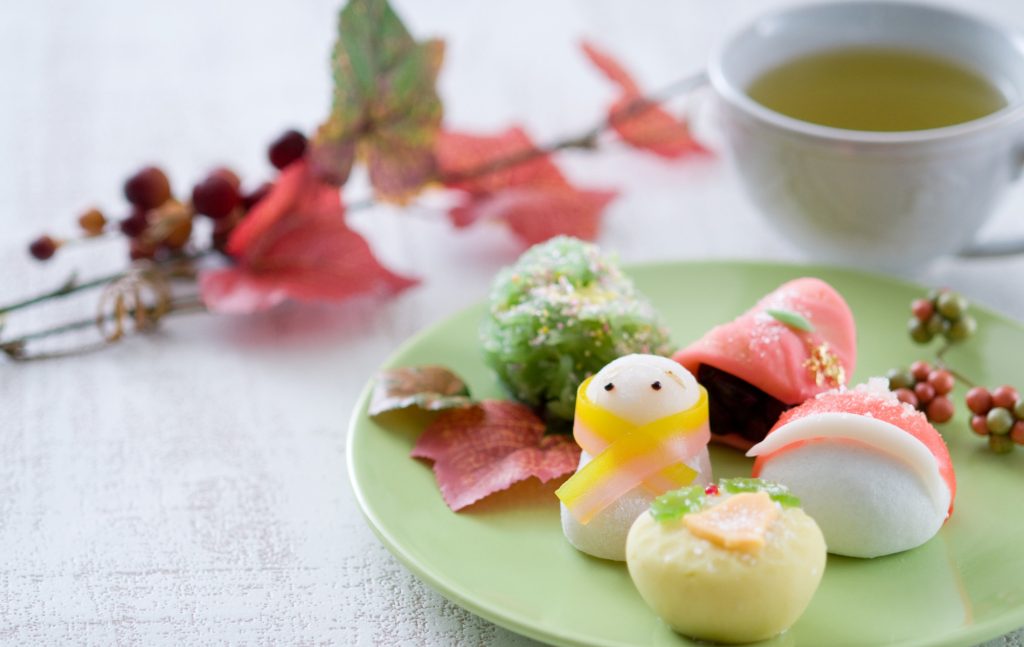
Types of Wagashi: Traditional Japanese Sweets Explained Wagashi, the traditional Japanese sweets, offer a delightful array of tastes, textures, and visual appeal that can captivate anyone with a sweet tooth. These confections are more than just treats; they are an essential aspect of Japanese culture, often enjoyed during tea ceremonies to balance the bitterness of matcha. Originating from ancient influences and evolving over centuries, wagashi encompass a variety of styles that reflect the distinct seasons and regional flavours of Japan. Among the many types, Kougei-gashi stands out as an ornamental variety not meant for consumption but designed to showcase exquisite craftsmanship. Decorative and artistic, these creations harken back to the late Edo period and serve as a testament to the skill of their creators. This tradition adds a unique dimension to the appreciation of wagashi, making it a feast for both the palate and the eyes. Other popular varieties include Botamochi, where mochi is used as the filling, enveloped in red bean paste, showcasing a reverse take on the usual presentation. Dango, another favourite, consists of small rice flour dumplings usually served on skewers, offering a versatile snack or dessert option. These examples demonstrate how wagashi can vary widely, ensuring there is something to please every taste. Historical Context of Wagashi As Treats Wagashi, the traditional Japanese confections, have a rich history shaped by foreign influences and indigenous customs. They evolved significantly over time, deeply intertwining with cultural practices such as tea ceremonies and adapting regional characteristics. Evolution from Chinese Influence Wagashi’s origins trace back over two millennia, heavily influenced by Chinese confectionery techniques introduced through cultural exchanges. Early forms of wagashi, such as dango, derived from ground nuts processed into a powder and transformed into a dough-like consistency. In the 6th century, with the spread of Buddhism from China, more refined sweets incorporating mochi, rice flour, and azuki beans began to appear. These sweets took on a ceremonial significance, often served at religious events to signify purity and celebration. Integration in Japanese Tea Ceremony By the Heian period, wagashi had become an integral part of Japanese tea ceremonies. Kyoto-styled wagashi, known as Kyo-gashi, were particularly noted for their aesthetic appeal. These confections were crafted to reflect seasonal changes, aligning with the tea ceremony’s emphasis on nature and contemplation. The tea ceremony popularised wagashi, with Edo (present-day Tokyo) developing a simpler variation known as Jyo-gashi, making the confectionery accessible to the growing middle class. This set the foundation for wagashi’s present prominent role in Japanese cultural rituals. Regional Variations and Developments Throughout the Edo period, regional variations of wagashi developed, reflecting local tastes and ingredients. In Kyoto, artisans focused on elaborate, decorative sweets, while Tokyo favoured more practical, everyday confections. Further diversification occurred during the Meiji era when Japan opened to Western influences. This period saw the introduction of new ingredients and techniques, leading to contemporary styles that blend traditional and Western elements. Modern wagashi continues to celebrate regional diversity, with each area in Japan boasting unique types of these confections, showcasing both historical tradition and modern innovation. Fundamentals Makings of Wagashi Wagashi, traditional Japanese confections, centre around specific ingredients and embody distinct textures and aesthetic principles. Each sweet often carries deep symbolic meaning, reflecting the seasons and Japanese culture. Primary Ingredients Rice and Rice Flour: Central to Wagashi, rice and rice flour, especially glutinous rice flour, form the basis for many types. Mochi, a common ingredient, is made from glutinous rice and provides a chewy texture. Beans: Sweet red bean paste, made from adzuki beans, is a staple. The paste can be smooth (koshi-an) or coarse (tsubu-an). Sugar: Integral for flavour, sugar balances the natural bitterness of some ingredients like green tea and enhances the overall sweetness. Agar: Used as a gelling agent in sweets like yokan, agar provides a firm yet delicate structure and is derived from seaweed. Texture and Taste Chewy and Soft: Many Wagashi types, including mochi, offer a chewy consistency due to the use of glutinous rice. Smooth and Glossy: Bean paste-based sweets, such as nama-gashi, often have a smooth texture that melts in the mouth. Crisp and Light: Some confections, like senbei (rice crackers), provide a contrasting crisp texture. Sweet and Subtle: The sweetness in Wagashi is often balanced and not overpowering, allowing other flavours like the earthiness of matcha (green tea) to shine through. Symbolism and Aesthetics Seasonal Reflection: Wagashi often mirrors the seasons: sakura (cherry blossom) motifs in spring or yuzu (citrus) flavours in winter. This seasonal alignment enhances the cultural and aesthetic value. Craftsmanship: The visual appeal of Wagashi is as important as taste. Kougei-gashi are elaborate decorative sweets crafted primarily for visual enjoyment. Cultural Themes: Many Wagashi are designed to represent elements from nature, such as flowers, leaves, or animals, celebrating the natural beauty and heritage of Japan. Tea Ceremonies: Wagashi plays a significant role in tea ceremonies, with specific types complementing the bitter notes of green tea, creating a balanced and harmonious experience. Main Types of Wagashi Sweets Wagashi encompasses a variety of Japanese traditional sweets, each with unique ingredients, preparation methods, and cultural significance. Here are the main types that highlight the diversity and artistry of these confections: Namagashi Namagashi are often enjoyed during tea ceremonies and are known for their intricate designs and seasonal themes. They are typically made with rice flour, sweet bean paste, and agar. Their texture is delicate and moist, offering an experience that delights both the eyes and the palate. Examples include higashi, which can be pressed into elaborate shapes, and mizuyokan, a jelly-like sweet made with red bean paste. Mochi Varieties Mochi, made from pounded glutinous rice, is a cornerstone of Wagashi. Its chewy and sticky texture is widely appreciated. Daifuku is a popular variety where mochi wraps around a sweet filling like red bean paste. Dango, another well-known form, consists of mochi balls often served on skewers and drizzled with sweet soy sauce. Botamochi (or ohagi) reverses the typical mochi treat by using mochi as a